Exploring the Manufacturing Refine Behind Rubber Keypads and Their Significance in Modern Tools
Rubber keypads are pivotal in the performance of contemporary tools. Their manufacturing process includes cautious choice of products and precise strategies. Keypads are designed to improve user interaction while making certain resilience and integrity. Understanding exactly how these elements are made exposes their value across numerous applications. What variables add to their performance, and just how do these aspects affect user experience? The solutions may improve assumptions of this everyday technology.
Overview of Rubber Keypads and Their Applications
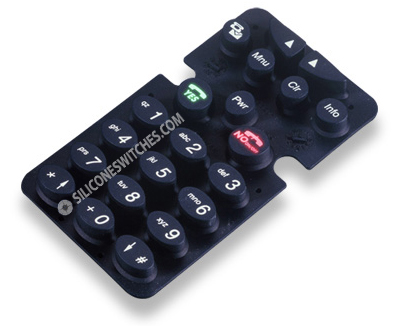
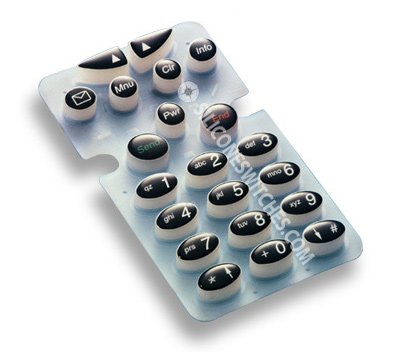
Rubber keypads are flexible parts extensively utilized in numerous electronic devices, varying from consumer electronics to industrial tools. Their layout enables a tactile action, making them an excellent option for applications calling for user interaction. Generally located in products such as remote controls, calculators, and medical gadgets, rubber keypads assist in ease of use and availability.
In commercial setups, they serve vital features in equipment and control panels, where sturdiness and resistance to environmental variables are necessary. The non-slip surface area boosts grasp, promoting reliability sought after conditions. Furthermore, their lightweight nature and adjustable shapes enable producers to develop customized options that fit certain demands. With developments in modern technology, rubber keypads remain to advance, including functions like backlighting and enhanced level of sensitivity. On the whole, their versatility and functional benefits add significantly to the efficiency of different gadgets across multiple markets.
Materials Made Use Of in Rubber Keypad Production
Keypad manufacturing depends on a selection of materials that improve both capability and toughness. The primary material used in the manufacturing of rubber keypads is silicone rubber, recognized for its superb resilience and adaptability. This product permits keypads to withstand duplicated pressing without shedding form or efficiency. Furthermore, thermoplastic elastomers (TPE) are frequently made use of as a result of their convenience of molding and capacity to give a soft-touch feel.
Coloring agents, such as pigments, are integrated to assure vivid, long-lasting shades that improve visual charm. Ingredients like anti-UV representatives and fire retardants might be combined right into the rubber to improve weather condition resistance and safety and security compliance. The selection of materials straight influences the keypad's tactile feedback, long life, and general efficiency in various devices. Eventually, the careful option of these parts is essential for the production of premium rubber keypads that fulfill customer and market demands.
The Style Refine of Rubber Keypads
When developing rubber keypads, the design process plays a vital role in identifying capability and user experience. Developers start by defining the keypad's meant use, thinking about factors such as the device it will accompany and the target user market. This preliminary phase includes mapping out designs that focus on ergonomic elements, making sure the tricks are conveniently obtainable and suitably spaced.
Next off, developers concentrate on the responsive feedback wanted from the keypads, which affects the option of products and vital forms. Prototyping is important in this phase, allowing developers to examine different layouts for convenience and responsiveness.
Manufacturing Techniques for Rubber Keypads
The manufacturing procedure for rubber keypads includes a series of exact techniques that guarantee high quality and functionality. Liquid silicone rubber (LSR) is usually used due to its sturdiness and flexibility. The process starts with blending the raw products, including silicone, colorants, and healing agents. This combination is then injected right into mold and mildews made to form the keypads properly.
Adhering to shot, the molded keypads undertake treating, a home heating process that solidifies the material (Rubber Keypads). This is usually executed in a press, making sure the keypads achieve the wanted solidity and strength
Quality Assurance Procedures in Production
To ensure that rubber keypads fulfill high requirements of quality and performance, extensive quality assurance actions are executed throughout the production procedure. These measures start with resources examination, making certain that just the highest-grade elastomers are utilized. Throughout the production phase, drivers conduct routine checks to keep track of criteria such as temperature, stress, and blending times, important for attaining constant item high quality.
Post-production, each batch of keypads undertakes extensive screening, including tactile action evaluations and toughness tests to review efficiency under different conditions. Visual examinations are also carried out to determine any kind of problems, such as bubbles or disparities in appearance. Furthermore, conformity with sector requirements is confirmed, making certain that the keypads satisfy security and performance benchmarks.
The Function of Innovation in Keypad Growth
Modern technology plays a vital role in the growth of rubber keypads by enabling innovative production strategies that boost precision and performance. Additionally, ingenious material option enables for boosted durability and responsiveness in keypad performance. These advancements not only enhance production however likewise elevate the general top quality of the end product.
Advanced Manufacturing Techniques
Innovations in production methods transform the production of rubber keypads, boosting both effectiveness and precision. Technologies such as shot molding and 3D printing have transformed traditional processes, allowing producers to produce complicated layouts with lowered waste and enhanced turn-around times. Automation plays a crucial duty in this development, streamlining assembly lines and minimizing human error. Furthermore, computer-aided layout (CAD) software enables elaborate personalization, making certain that keypads fulfill specific user needs. Quality assurance procedures have actually also advanced, including real-time tracking systems that detect problems early in the production cycle. These innovations not only enhance the durability and performance of rubber keypads however also support the growing need for customized services in numerous industries, from customer electronics to auto applications.
Ingenious Material Selection
The development of making techniques has led the way for cutting-edge material choice in rubber keypad development. Advances in polymer science have actually introduced products that boost sturdiness, versatility, and tactile feedback. Manufacturers now make use of thermoplastic elastomers (TPE) and silicone compounds, which supply premium resistance to use and environmental factors. These products enable the development of keypads that can sustain long term usage while maintaining aesthetic appeal. In addition, the combination of finishes and ingredients boosts functionality, such as boosting hold and minimizing friction. The option of materials is necessary, as it straight affects the efficiency and longevity of keypads in various devices, from consumer electronic devices to industrial tools. This cutting-edge technique continues to shape the future of keypad design and functionality.
The Effect of Rubber Keypads on Individual Experience
Rubber keypads substantially influence customer experience through their boosted tactile feedback, which permits for even more specific interaction. In addition, their resilience and long life contribute to regular efficiency gradually, decreasing the demand for frequent substitutes. This combination of attributes makes rubber keypads a preferred choice in various applications, ultimately affecting user complete satisfaction.
Improved Tactile Reaction
Enhancing responsive reaction substantially affects Going Here customer experience, particularly in tools that count on keypads for communication. Rubber keypads supply a special mix of gentleness and strength, enabling users to feel distinct feedback with each press. This comments strengthens a feeling of control and precision, vital in applications varying from mobile phones to commercial devices. Individuals often report better fulfillment and efficiency when interacting with gadgets that include well-designed rubber keypads, as they assist in quicker and a lot more exact input. Furthermore, the ergonomic design of these keypads can minimize look at this site finger tiredness, promoting longer usage durations without discomfort. On the whole, the boosted responsive action provided by rubber keypads significantly adds to an extra pleasurable and user-friendly individual experience in contemporary innovation.
Longevity and Durability
A key element of individual experience with rubber keypads copyrights on their sturdiness and durability. These keypads are made to endure comprehensive usage, withstanding damage that commonly impacts various other materials. The durable nature of rubber guarantees that keypads keep their functionality and look in time, which is vital for tools frequently made use of in numerous atmospheres. Users gain from the dependability of rubber keypads, as they can withstand direct exposure to dust, dampness, and temperature level fluctuations without deteriorating. This resilience not only enhances user complete satisfaction but additionally decreases the demand for regular replacements, inevitably adding to cost-effectiveness for makers. Essentially, the toughness of rubber keypads significantly influences the total efficiency and customer experience in modern tools.
Often Asked Questions
For How Long Do Rubber Keypads Usually Last in Tools?
Rubber keypads commonly last in between 5 to ten years, depending upon use, environmental elements, and high quality of materials made use of (Rubber Keypads). Regular damage can reduce their life expectancy, impacting capability and individual experience with time
Can Rubber Keypads Be Custom-made for Particular Applications?
Rubber keypads can without a doubt be tailored for specific applications, permitting changes in dimension, shade, form, and texture. This adaptability allows manufacturers to produce customized services that satisfy diverse individual demands and improve capability in different gadgets.
Are Rubber Keypads Eco-friendly?
Rubber keypads are often ruled out eco-friendly because of their petroleum-based products. However, advancements in lasting manufacturing methods and the advancement of bio-based alternatives are gradually enhancing their eco-friendly influence in different applications.
What Are Usual Concerns Encountered During Rubber Keypad Manufacturing?
Common concerns faced throughout rubber keypad manufacturing consist of irregular material quality, mold and mildew defects, inappropriate treating times, adhesion failings, and challenges in achieving accurate responsive responses. These problems can bring about lowered product performance and client dissatisfaction.
Just How Do Rubber Keypads Contrast to Various Other Kinds Of Trick Changes?
Rubber keypads provide a softer feeling and quieter operation contrasted to mechanical buttons, which give tactile responses. Rubber keypads may use out faster and do not have the precision that some customers like in high-performance applications.
The primary product utilized in the manufacturing of rubber keypads is silicone rubber, understood for its outstanding durability and versatility. When creating rubber keypads, the style procedure plays a necessary role in figuring out performance and individual experience. Rubber keypads greatly affect individual experience Get More Info with their boosted responsive action, which allows for more precise interaction. Users commonly report better complete satisfaction and performance when interacting with tools that feature well-designed rubber keypads, as they promote quicker and more exact input. A crucial element of individual experience with rubber keypads exists in their toughness and durability.